


Social Media Etiquette: 10 Essential DOs and DON'Ts |
 Social Media
Understanding what to do and what not to do can help you protect your privacy, prevent misunderstandings, and build better relationships online.
Here are 10 essential social media etiquette tips to help you navigate the digital world with kindness, confidence, and respect.

One of the most important rules of social media etiquette is to treat others with kindness and respect, just as you would in a face-to-face conversation. Behind every profile picture and username is a real person with thoughts, feelings, and experiences of their own.
It's perfectly natural to encounter people who have different opinions, beliefs, or perspectives. You don't have to agree with everyone, but you can express your views without insulting, belittling, or attacking others.
When participating in online conversations, take time to understand what someone is saying before responding. Choose your words thoughtfully, especially when discussing sensitive or controversial subjects. A respectful disagreement can lead to a meaningful conversation, even when neither person changes their mind.
Remember: You can disagree with someone's opinion while still respecting them as a person.
One of the simplest ways to practice good social media etiquette is to pause and think before sharing something online. Whether you're posting a personal opinion, commenting on someone else's content, or sharing a photograph, a little consideration can help prevent misunderstandings and unnecessary conflict.
Before posting, ask yourself a few questions:
❓ Is it respectful? Am I expressing myself without insulting or deliberately embarrassing someone?
❓ Is it accurate? Have I checked the facts before sharing information that others might believe?
❓ Is it appropriate to share? Could this reveal someone else's private information or something they would rather keep personal?
❓ Could it be misunderstood? Would a different choice of words make my meaning clearer?
Remember that written messages don't always communicate tone the way face-to-face conversations do. A joke or sarcastic remark that seems harmless to you might be interpreted differently by someone reading it.
You don't have to avoid expressing your opinions or sharing your personality. Simply take a moment to consider how your words might be received.
Tip: If you're upset or frustrated, write your response but wait a few minutes before posting it. Reading it again with a clearer mind may help you decide whether it says what you really want to say.
Respecting other people's creative work is an important part of good social media etiquette. Whether you're sharing a photograph, video, article, illustration, or quotation, take time to acknowledge the person who originally created it.
Whenever possible, mention the creator's name, tag their account, or provide a link to the original source. This helps others discover their work and shows appreciation for the time and effort that went into creating it.
However, giving credit and having permission are two different things. Just because something is available online doesn't necessarily mean you're free to copy, download, or republish it. Some content is protected by copyright, and the creator may need to give permission before you use it.
Here are a few good habits to follow:
💫 Credit the original creator: Identify who made the content rather than simply naming the account where you found it.
💫 Use built-in sharing features: When appropriate, share or repost content using the platform's available tools.
💫 Ask permission when necessary: Especially before downloading and republishing someone else's photographs, artwork, or videos.
💫 Respect ownership: Don't remove watermarks, crop out attribution, or present someone else's work as your own.
Tip: When you're unsure whether you can reuse something, contact the creator or choose content that you have permission to share. A little consideration helps protect creative work and encourages a more respectful online community.
Protecting your personal information is an important part of practicing good social media etiquette. Most social media platforms offer privacy settings that allow you to control certain aspects of your online experience, including who can see your posts, contact you, or view information on your profile.
Take a few minutes to explore the privacy options available on the platforms you use. Depending on the service, you may be able to limit the audience for individual posts, restrict unwanted messages, or decide which personal details are visible to others.
Here are a few privacy habits worth developing:
🔒 Review who can see your posts: Make sure you're comfortable with the audience for the information and photographs you share.
🔒 Protect personal details: Avoid publicly sharing sensitive information such as your home address, phone number, or financial details.
🔒 Check your messaging preferences: Where available, limit who can send you messages or contact requests.
🔒 Review app permissions: Consider whether connected apps really need access to your location, contacts, or other personal information.
🔒 Revisit your settings occasionally: Platforms may introduce new features or change their privacy options, so it's worth checking periodically.
Remember that privacy settings have limitations. Screenshots, resharing, and other actions can sometimes allow information to reach people beyond your intended audience.
Tip: Set aside a few minutes to review the privacy settings on each social media platform you use. Understanding your options can help you make more informed decisions about what you share and with whom.
One of the simplest ways to make social media a more welcoming place is to bring kindness and encouragement into your online interactions. A thoughtful comment, a friendly message, or a few words of support can make someone's day a little brighter.
Spreading positivity doesn't mean you have to be cheerful all the time or avoid discussing difficult subjects. People experience challenges, disappointments, and disagreements, and meaningful online communities should make room for those conversations, too.
What matters is how we treat one another. Whether you're celebrating someone's accomplishment or offering encouragement during a difficult time, small acts of kindness can help create a more respectful and supportive online environment.
Here are a few simple ways to spread positivity on social media:
💥 Celebrate good news: Congratulate friends on accomplishments, milestones, and happy occasions.
💥 Offer encouragement: Leave a thoughtful comment when someone is having a difficult day.
💥 Share something uplifting: Post an interesting story, a pleasant memory, or something that made you smile.
💥 Welcome new people: Help newcomers feel comfortable participating in conversations and communities.
💥 Show appreciation: Thank people who share helpful information, offer assistance, or contribute something meaningful.
Remember: You don't need a large following to make a positive difference online. Sometimes, a single thoughtful message can mean more to someone than hundreds of likes.

Sharing personal experiences, photographs, and everyday moments is one of the things that makes social media enjoyable. But good social media etiquette also means knowing when certain information is better kept private.
Before sharing personal details online, consider who might see them and whether you're comfortable with that information reaching people beyond your intended audience. Even posts shared with a limited group can sometimes be copied, photographed, or passed along to others.
Here are a few things to be especially careful about sharing:
👥 Personal contact information: Avoid publicly posting your home address, personal phone number, or other sensitive details.
👥 Your real-time location: Think twice before announcing that your home is empty or sharing your exact whereabouts with a public audience.
👥 Financial information: Never share account numbers, passwords, security codes, or photographs containing sensitive financial details.
👥 Other people's private information: Ask permission before sharing someone's personal news, photographs, or private conversations.
👥 Highly personal matters: Consider whether certain experiences or disagreements would be better discussed privately with someone you trust.
Remember, sharing less personal information doesn't mean being less genuine. You can express your personality, tell stories, and build meaningful relationships without revealing every detail of your private life.
Tip: Before posting something personal, ask yourself, "Would I be comfortable if someone outside my intended audience saw this?" If the answer is no, consider sharing it privately or keeping it offline.
Disagreements are a natural part of social media. People have different opinions, experiences, and perspectives, and sometimes those differences lead to heated conversations. However, there's a difference between a respectful discussion and an argument that has become unnecessarily hostile or personal.
One of the most important rules of good social media etiquette is knowing when to participate in a conversation and when it's better to step away.
Before getting involved in an online disagreement, consider whether your contribution will help resolve a misunderstanding, offer useful information, or encourage a more respectful discussion. If the conversation has turned into personal attacks, insults, or repeated arguments that aren't going anywhere, continuing to participate may only make matters worse.
Here are a few ways to avoid unnecessary online drama:
🎭 Don't respond to every provocation: Not every negative comment deserves your attention.
🎭 Stay focused on the subject: Discuss ideas and opinions rather than attacking the people expressing them.
🎭 Avoid spreading rumors: Don't repeat accusations or personal stories without reliable information.
🎭 Know when to disengage: If a conversation becomes hostile or unproductive, it's perfectly reasonable to stop responding.
🎭 Use available safety tools: Mute, block, or report accounts when someone is harassing or threatening others.
Remember, avoiding drama doesn't mean remaining silent when someone is being bullied or mistreated. You can offer support, report harmful behavior, or speak up respectfully without becoming part of an escalating argument.
Tip: Before responding to a heated discussion, ask yourself, "Will my comment contribute something useful, or will it simply prolong the argument?" Sometimes, the most productive response is choosing not to respond at all.
We've all experienced moments when something online makes us angry, frustrated, or disappointed. Maybe someone leaves an insulting comment, misunderstands something we've said, or expresses an opinion we strongly disagree with. While it's natural to have emotional reactions, posting in the heat of the moment can sometimes lead to unnecessary conflict and lasting regrets.
One of the most valuable habits you can develop when communicating on social media is learning to give yourself time before responding emotionally.
When we're upset, it's easy to choose words that are harsher than we intended. A comment written in frustration may damage a friendship, create misunderstandings, or turn a minor disagreement into a much larger argument.
And remember, deleting a post doesn't necessarily erase it. Someone may have already taken a screenshot, shared it, or saved a copy.
Here are a few ways to avoid posting something you might regret:
😡 Give yourself time: Wait a few minutes, or longer if necessary, before responding to something upsetting.
😡 Write without posting: If you need to express your feelings, write your thoughts privately, don't post them, and review them later.
😡 Read your words again: Ask yourself whether your message communicates what you actually want to say.
😡 Consider a private conversation: Some misunderstandings are easier to resolve through a respectful personal message.
😡 Know when to walk away: Not every disagreement needs an immediate response—or any response at all.
Being upset doesn't mean your feelings or concerns aren't valid. It simply means you may communicate them more effectively after you've had time to think.
Tip: If you're tempted to post an angry response, imagine reading it again tomorrow morning. Would you still feel comfortable having your name attached to those words? If not, give yourself more time before posting.
Social media makes it easy to share news, interesting stories, photographs, and information with friends and family. Unfortunately, not everything we encounter online is accurate. Misleading headlines, outdated stories, altered images, and false claims can spread quickly, especially when people share them without checking the facts.
Practicing good social media etiquette means taking responsibility for the information you pass along to others. Even when misinformation is shared with good intentions, it can create confusion, damage reputations, or lead people to make decisions based on inaccurate information.
Before sharing a story or claim, consider these simple steps:
📢 Check the original source: Find out where the information came from. Is it a reputable news organization, an official source, or an unidentified social media account?
📢 Read beyond the headline: Headlines can sometimes exaggerate or misrepresent what an article actually says.
📢 Check the publication date: An old story may be circulating again without its original context.
📢 Look for independent confirmation: See whether other credible sources are reporting the same information.
📢 Be cautious with images and videos: Photographs and videos can be edited, generated, or presented with misleading descriptions.
📢 Think before sharing: If you cannot reasonably verify an important claim, consider waiting until more reliable information becomes available.
Remember that even trustworthy sources can make mistakes. Being careful about what you share doesn't mean questioning everything endlessly. It means developing the habit of checking information before presenting it to others as fact.
Tip: If you discover that something you've shared is inaccurate, correct it when possible. Acknowledging a mistake demonstrates honesty and helps prevent misinformation from spreading further.
Behind every social media profile is a real person who deserves to be treated with dignity and respect. Unfortunately, online bullying and trolling can turn what should be an enjoyable experience into something hurtful, intimidating, or deeply upsetting.
Cyberbullying can take many forms, including repeated insults, personal attacks, humiliating comments, threats, spreading harmful rumors, or deliberately embarrassing someone in front of others. Trolling often involves provoking people simply to upset them or create arguments.
Disagreeing with someone's opinion isn't bullying. People should feel free to express different viewpoints, ask questions, and participate in respectful debates. The problem begins when conversations turn into deliberate harassment, intimidation, or personal attacks.
Here are a few ways to help prevent online bullying and trolling:
🤼🏼♀️ Treat others with dignity: Remember that your words can affect real people, even when you're communicating through a screen.
🤼🏼♀️ Avoid personal attacks: Challenge ideas when necessary, but don't insult, threaten, or humiliate the people expressing them.
🤼🏼♀️ Don't encourage bullying: Avoid joining in, sharing humiliating content, or encouraging others to target someone.
🤼🏼♀️ Support people who are mistreated: A kind private message or a thoughtful expression of support can remind someone that they're not alone.
🤼🏼♀️ Use reporting and blocking tools: If someone is harassing you or another person, use the platform's available safety features.
🤼🏼♀️ Protect yourself: If harassment continues, consider saving evidence, limiting contact, and seeking help from someone you trust. Serious threats may require contacting the appropriate authorities.
Remember, you don't have to respond to someone who is deliberately trying to provoke or hurt you. Choosing not to engage doesn't mean you're allowing them to win. Sometimes, protecting your peace of mind is more important than having the last word.
Tip: Before commenting on someone's post, imagine speaking those same words to them face-to-face. You can be honest, express strong opinions, and disagree respectfully without being cruel.
A better online community begins when people remember that kindness and respect matter just as much on a screen as they do in person.

Good social media etiquette is about more than following a list of rules. It's about creating an online environment where people feel comfortable expressing themselves, sharing experiences, asking questions, and connecting with others.
When people communicate respectfully, protect one another's privacy, share information responsibly, and show consideration for different opinions, they help build trust within their online communities.
That trust matters. People are more likely to participate in conversations, share their experiences, and develop meaningful relationships when they feel welcomed and respected.
Good online manners also help prevent unnecessary misunderstandings. A thoughtful response can turn a disagreement into a productive conversation, while a little kindness can make someone feel included rather than overlooked.
And perhaps most importantly, social media etiquette is something everyone can practice, regardless of age, experience, or which platforms they use.
A welcoming online community isn't created by technology alone. It's created by the people who participate in it and the way they choose to treat one another.
Good social media etiquette doesn't require complicated rules or perfect behavior. It begins with something simple: treating people online with the same kindness, consideration, and respect we would want to receive ourselves.
Whether you're sharing a photograph, expressing an opinion, joining a conversation, or reaching out to someone new, the choices you make can influence the experiences of others.
You don't have to agree with everyone, avoid difficult conversations, or stop being yourself. You simply need to remember that behind every profile is a person whose feelings, experiences, and opinions deserve consideration.
The ten DOs and DON'Ts we've explored are habits anyone can develop. And when more people practice them, social media becomes a better place for conversations, friendships, learning, and meaningful connections.
Good social media etiquette isn't just about knowing what to say, what to do, or what not to do. It's about remembering that the people on the other side of the screen matter.
 |  |  |  |
 |  |  |  |
 |  |  |  |
| |
| |
| |
| |
| |
| |
Join SurfSideSafeCreating an account with SurfSideSafe is very easy.In a few minutes, you will have the best Social Media experience you have ever had in your life. 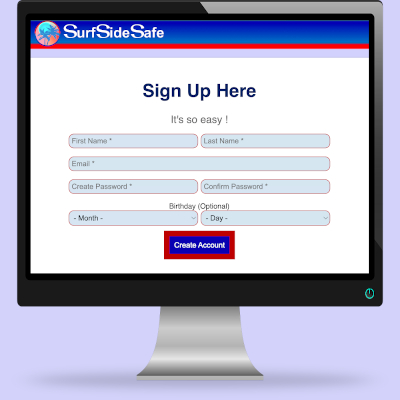  |

A calmer, safer, easier place to connect
Creating an account with SurfSideSafe is very easy.
In a few minutes, you will have the best Social Media experience you have ever had in your life.




 About Us
 Press Releases
 SurfSideSafe Support
 ASK SurfSideSafe
 SurfSideSafe MarketPlace
 Our Blog
 Videos
 Privacy Policy
 Terms/Conditions
 Contact Us


 Internet
 Business
 Self Help
 Lifestyle
 Relationships
 Entertainment
 Mystery
 Good Food Ideas
 Seasonal
 Questions
 SurfSideSafe
 Heart of SurfSideSafe
 SurfSideSafe Stories