


How to Manage Social Media Use: 7 Simple Ways to Stay in Control |
 Social Media
Social media is a wonderful way to keep in touch with friends, share experiences, and discover new interests, but spending too much time online can sometimes interfere with everyday life. The good news is that you don't have to quit social media to develop healthier habits.
These 7 simple, practical tips will help you set boundaries, manage your screen time, recognize unhealthy patterns, and stay in control of your social media experience

One of the easiest ways to manage your social media use is to set reasonable daily time limits. Many smartphones offer built-in screen-time tools that let you monitor how long you spend on individual apps and set reminders or limits when you've reached your daily goal.
Start by checking how much time you currently spend on social media. You might be surprised by how quickly a few minutes of scrolling throughout the day can add up. Once you understand your habits, you can choose a realistic limit that works with your schedule and priorities.
Tip: Try setting a daily limit of 30 minutes to an hour for recreational scrolling, adjusting it to fit your needs. On an iPhone, explore Screen Time in Settings. On Android, look for Digital Wellbeing. The goal isn't to eliminate social media but to make sure you're spending your time intentionally.

Building healthy social media habits doesn't mean you have to stay away from your favorite platforms all day. Sometimes, simply choosing a few periods when you won't check social media can help you stay focused, reduce distractions, and enjoy more of what's happening around you.
Consider making mealtimes, family gatherings, work sessions, or the hour before bedtime social media-free. These small breaks can help you give your full attention to conversations, responsibilities, and activities you enjoy.
You don't have to change your entire routine overnight. Start with one social media-free period each day and gradually add others if you find them helpful.
Tip: Try leaving your phone in another room while you're enjoying dinner, reading, or spending time with family. If you need your phone nearby for important calls, use its Focus or Do Not Disturb settings to silence unnecessary notifications. Sometimes, out of sight really does mean out of mind!
Social media notifications can interrupt your day, even when you're trying to concentrate on something else. A new comment, friend request, or suggested post might seem harmless, but frequent alerts can encourage you to check your phone more often than you intended.
One effective way to reduce social media distractions is to take control of which notifications you receive. Most social media apps allow you to customize alerts, so you can turn off notifications for suggested content, promotional updates, and other activities that don't require your immediate attention.
You don't have to silence everything. Keep notifications that matter to you, such as direct messages from friends or important personal updates, while limiting the ones that interrupt your daily routine.
Tip: Open your phone's notification settings and review your social media apps individually. Start by disabling nonessential alerts for a few days. You may discover that you enjoy checking social media when you choose to, rather than whenever your phone demands attention.
The people and accounts you follow can have a significant influence on your social media experience. If your feed is constantly filled with arguments, negativity, or content that leaves you feeling frustrated, spending time online may become more stressful than enjoyable.
Take a few minutes to review the accounts and communities you follow. Ask yourself whether their posts inform you, inspire you, entertain you, or help you stay connected with people who matter. You don't have to agree with everything someone shares, but your social media experience should offer something worthwhile.
Consider following people who share your interests, whether that's cooking, gardening, sports, photography, history, or simply enjoying good conversations. And remember, it's perfectly reasonable to mute or unfollow accounts that consistently make your experience unpleasant.
Tip: Review a handful of accounts you follow each week. Keep those that add value to your life, and consider muting or unfollowing those that don't. Small changes to your feed can make social media a more enjoyable place to spend your time.
Social media can be entertaining, informative, and a wonderful way to stay connected. But sometimes, our online habits can begin to affect how we feel, how we spend our time, and how we interact with others.
Recognizing the warning signs of unhealthy social media habits is an important step toward creating a better balance.
Some signs worth paying attention to include:
🔥 Feeling stressed or frustrated: You frequently leave social media feeling worse than when you opened it.
🔥 Comparing yourself to others: Seeing other people's posts makes you feel dissatisfied with your own life.
🔥 Losing track of time: A few minutes of scrolling regularly turns into an hour or more.
🔥 Neglecting other activities: Social media begins interfering with sleep, hobbies, responsibilities, or time with family and friends.
🔥 Feeling pressured to stay connected: You find yourself checking notifications repeatedly because you're worried about missing something.
Experiencing one of these occasionally doesn't necessarily mean you have a serious problem. What matters is recognizing patterns and deciding whether your habits need adjusting.
Tip: Pay attention to how you feel before and after spending time on social media. If certain activities or accounts consistently leave you feeling unhappy or overwhelmed, consider taking a break, adjusting your notifications, or spending more time on activities you enjoy offline.
One of the best ways to develop healthier social media habits is to be intentional about how you spend your time online. Instead of opening an app and scrolling without a particular reason, think about what you'd like to accomplish or enjoy during your visit.
Maybe you want to catch up with an old friend, share something interesting, learn a new skill, or participate in a conversation about a subject you enjoy. Having a purpose can make your social media experience more rewarding and help you avoid spending time on activities that don't interest you.
Meaningful engagement doesn't have to be complicated. Sometimes, a thoughtful comment, a friendly message, or a few minutes spent encouraging someone can be more satisfying than scrolling through dozens of posts.
Here are a few simple ways to engage more intentionally:
🌟 Reconnect with someone: Send a message to a friend or family member you haven't spoken with recently.
🌟 Join a meaningful conversation: Share your thoughts or ask a question about something that interests you.
🌟 Learn something useful: Explore a community focused on cooking, gardening, history, photography, or another favorite subject.
🌟 Share something positive: Offer encouragement, celebrate someone's accomplishment, or contribute something helpful to a discussion.
Tip: Before opening social media, ask yourself, "What would I like to do while I'm here?" You don't need a specific goal every time, but being mindful of your intentions can help you enjoy your time online without getting lost in endless scrolling.
Setting healthy boundaries on social media is about deciding when, how, and with whom you want to interact online. You can enjoy staying connected with friends and family without feeling obligated to respond to every message, comment, or notification immediately.
Let the people close to you know that there may be times when you're unavailable online. Whether you're working, spending time with family, enjoying a hobby, or simply relaxing, it's perfectly reasonable to give those activities your full attention.
Healthy boundaries also involve respecting other people's time. Just as you may not always be available to respond, your friends and family may have responsibilities and activities that keep them away from social media. A delayed reply doesn't necessarily mean someone is ignoring you.
Remember that you can also set boundaries around the conversations you participate in. If a discussion becomes unpleasant or unproductive, you don't have to continue engaging. Sometimes, choosing to step away is the healthiest response.
Tip: Establish a few personal rules that fit your lifestyle, such as avoiding social media during meals, limiting late-night conversations, or responding to nonurgent messages when it's convenient. Let friends and family know they can call you directly if something is genuinely urgent.

Learning how to manage social media use doesn't mean giving up the connections, conversations, and experiences you enjoy. It means developing habits that allow social media to fit comfortably into your life without taking attention away from the things that matter most.
Whether you begin by setting daily time limits, reducing notifications, choosing more meaningful content, or establishing personal boundaries, small changes can make a noticeable difference. You don't have to follow every recommendation at once. Start with what works for you and make adjustments as your needs change.
Remember, social media should be a place where you can connect, learn, share, and enjoy yourself—not something that constantly demands your attention.
The goal isn't to spend the least amount of time on social media. It's to make the time you spend there worthwhile.
 |  |  |  |
 |  |  |  |
 |  |  |  |
| |
| |
| |
| |
| |
| |
Join SurfSideSafeCreating an account with SurfSideSafe is very easy.In a few minutes, you will have the best Social Media experience you have ever had in your life. 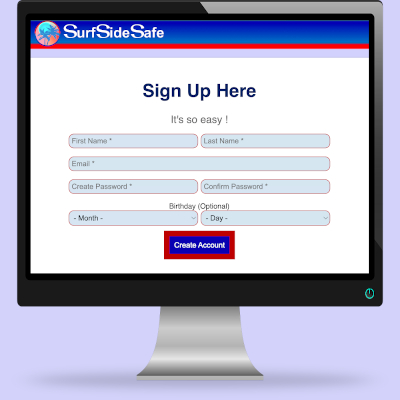  |

A calmer, safer, easier place to connect
Creating an account with SurfSideSafe is very easy.
In a few minutes, you will have the best Social Media experience you have ever had in your life.




 About Us
 Press Releases
 SurfSideSafe Support
 ASK SurfSideSafe
 SurfSideSafe MarketPlace
 Our Blog
 Videos
 Privacy Policy
 Terms/Conditions
 Contact Us


 Internet
 Business
 Self Help
 Lifestyle
 Relationships
 Entertainment
 Mystery
 Good Food Ideas
 Seasonal
 Questions
 SurfSideSafe
 Heart of SurfSideSafe
 SurfSideSafe Stories